



TXA2/TP
TXA2/TP signaling is mediated by the thromboxane prostanoid receptor (TP, encoded by TBXA2R), a class A G protein-coupled receptor that serves as the principal receptor for thromboxane A2 and related prostanoids[1][2]. TP activation regulates platelet activation, vascular tone, hemostasis, thrombosis, oxidative stress, and inflammatory responses through signaling pathways that control intracellular calcium mobilization, phospholipase C activity, and downstream effector networks[1][3][4]. Mechanistically, TXA2 generated during platelet activation binds TP receptors and amplifies platelet aggregation, cytoskeletal remodeling, adhesion, and thrombotic responses, thereby linking eicosanoid metabolism to vascular homeostasis and disease progression[3][5]. In vascular and inflammatory settings, TP receptors are expressed on platelets, endothelial cells, vascular smooth muscle cells, and monocytes/macrophages, where receptor activation contributes to atherogenesis, vascular constriction, thrombosis, and inflammation[1]. Disease relevance is supported by experimental models showing that TP receptor deficiency impairs platelet aggregation, prolongs bleeding time, delays atherogenesis, and alters inflammatory responses, highlighting a central role for TP signaling in cardiovascular pathology[4]. Compared with related prostanoid receptors, TP is unique because it is activated not only by TXA2 but also by prostaglandin endoperoxides and isoprostanes that accumulate during oxidative stress, extending its functional importance beyond classical thromboxane biology[1][5]. The human receptor exists as two alternatively spliced isoforms, TPα and TPβ, which differ in their C-terminal domains and exhibit distinct signaling and regulatory properties, providing an important framework for isoform-specific mechanistic studies[6][7]. For experimental applications, stable TP agonists and selective TP antagonists are widely used to dissect receptor-dependent signaling, platelet function, vascular responses, and disease mechanisms in cardiovascular research[3][5].
References:
- [1]. Capra V, et al. Impact of vascular thromboxane prostanoid receptor activation on hemostasis, thrombosis, oxidative stress, and inflammation. J Thromb Haemost. 2014 Feb;12(2):126-37. [Content Brief]
- [2]. Ting HJ, et al. Thromboxane A2 receptor: biology and function of a peculiar receptor that remains resistant for therapeutic targeting. J Cardiovasc Pharmacol Ther. 2012 Sep;17(3):248-59. [Content Brief]
- [3]. Eckenstaler R, et al. Insights into the Expression, Structure, and Function of the Thromboxane A2 Receptor in Vascular Biology. ACS Pharmacol Transl Sci. 2025 Aug 11;8(9):2887-2907. [Content Brief]
-
TXA2/TP Related Products (62)
Related Products (62)

-
U-46619
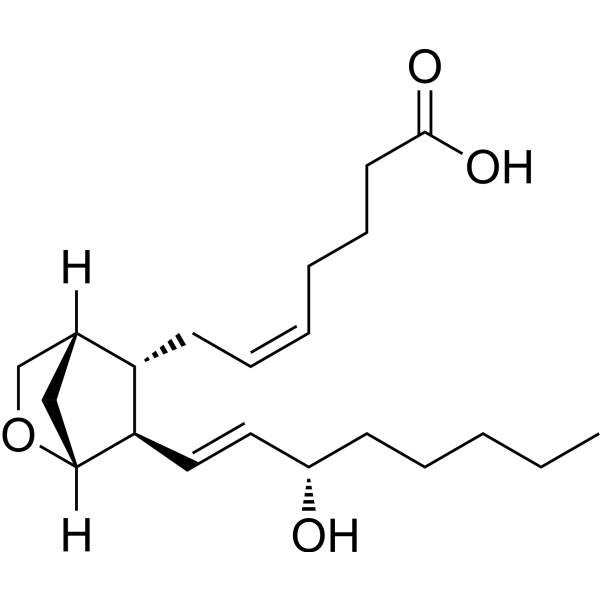 0 ImagesSynonyms: 9,11-Methanoepoxy PGH2U-46619 (9,11-Methanoepoxy PGH2) is a stable analogue of Thromboxane A2 (HY-113350) (TXA2) and acts as a potent TXA2 (TP) agonist. U-46619 also is a RhoA agonist. U-46619 stimulates the activation of RhoA through TXA2 receptor activation.
-
ONO-AE3-208
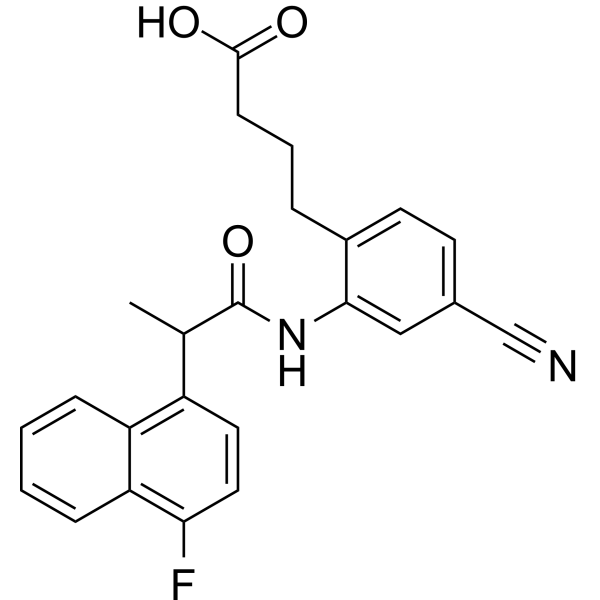 0 ImagesSynonyms: AE 3-208ONO-AE3-208 is a selective and orally active EP4 receptor antagonist with a Ki of 1.3 nM. ONO-AE3-208 shows less potently affects EP3, FP, and TP receptors (Ki of 30 nM, 790 nM, and 2400 nM, respectively). ONO-AE3-208 suppresses cell invasion, migration, and metastasis of prostate cancer.
-
Treprostinil
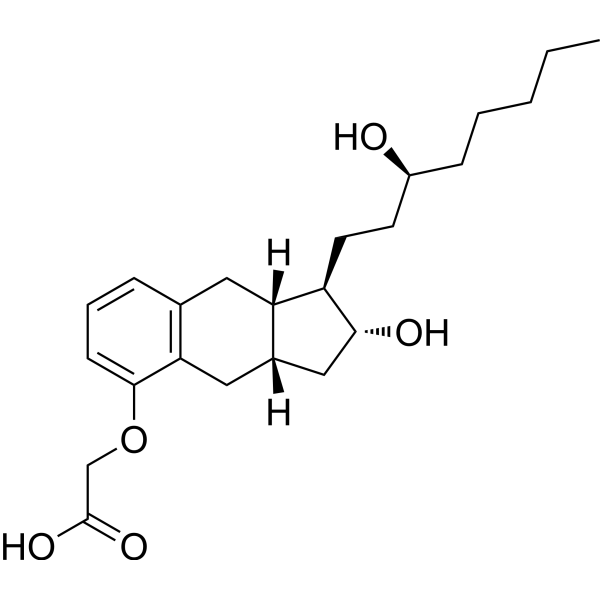 0 ImagesSynonyms: UT-15Treprostinil (UT-15) is a potent DP1 and EP2 agonist with EC50 values of 0.6±0.1 and 6.2±1.2 nM, respectively.
-
Laropiprant
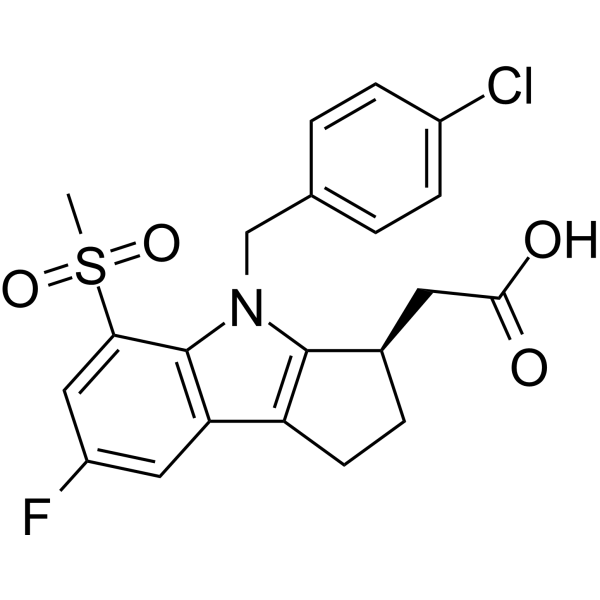 0 ImagesSynonyms: MK-0524
-
Ginsenoside Ro
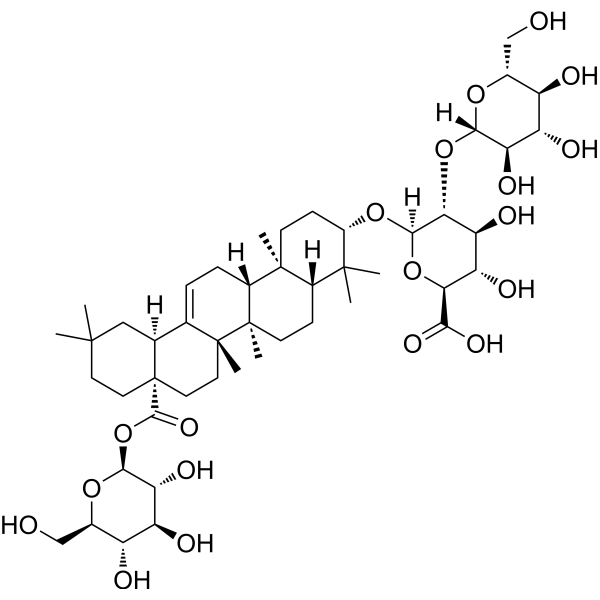 0 ImagesSynonyms: Polysciasaponin P3; Chikusetsusaponin 5; Chikusetsusaponin V
-
Ozagrel hydrochloride
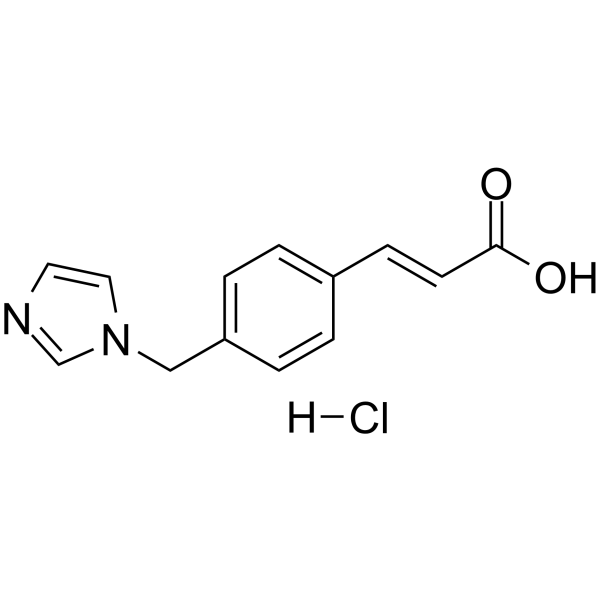 0 ImagesSynonyms: OKY-046 hydrochlorideOzagrel hydrochloride (OKY-046 hydrochloride) is a high selective and orally active thromboxane A2 (TXA2) synthase inhibitor with an IC50 of 11 nM. Ozagrel hydrochloride exerts anti-platelet aggregation, vasodilation and anti-inflammatory effects by inhibiting the production of TXA2 and increasing the production of prostacyclin (PGI2). Ozagrel hydrochloride can be used for the study of ischemic stroke, asthma and thromboembolic diseases.
-
Picotamide
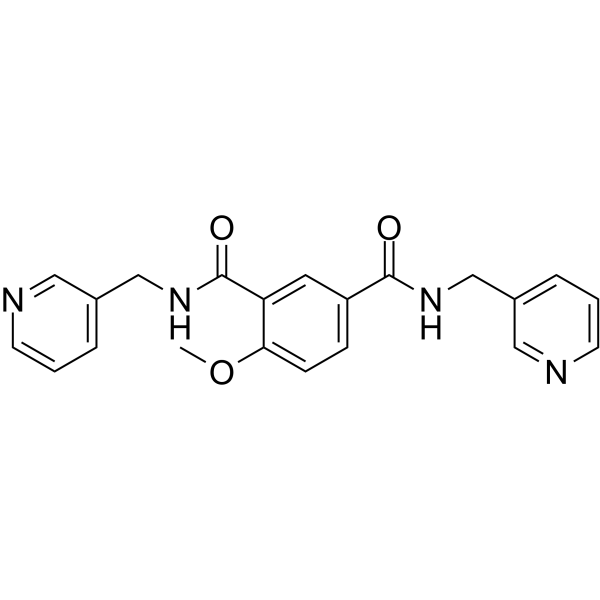 0 ImagesPicotamide is an orally active TXA2 receptor and TXA2 synthase inhibitor. Picotamide inhibits ADP (HY-W010918)-, Arachidonic acid (HY-109590)-, and Collagen (HY-NP003)-induced platelet aggregation, reduces TXA2 production during coagulation, and does not inhibit PGI2 synthesis in endothelial cells. Picotamide inhibits contractions induced by α1-adrenergic receptor agonism, TXA2 mediation, and neurogenic (electrical field stimulation-induced) factors in human prostatic smooth muscle, and broadly inhibits agonist-induced contractions of porcine interlobar renal and coronary arteries. Picotamide can be used in research related to thromboembolic diseases, atherosclerosis, and lower urinary tract symptoms.
-
Picotamide monohydrate
 0 ImagesCat. No.: HY-B1735ACAS No.: 80530-63-8Picotamide monohydrate is an orally active TXA2 receptor and TXA2 synthase inhibitor. Picotamide monohydrate inhibits ADP (HY-W010918)-, Arachidonic acid (HY-109590)-, and Collagen (HY-NP003)-induced platelet aggregation, reduces TXA2 production during coagulation, and does not inhibit PGI2 synthesis in endothelial cells. Picotamide monohydrate inhibits contractions induced by α1-adrenergic receptor agonism, TXA2 mediation, and neurogenic (electrical field stimulation-induced) factors in human prostatic smooth muscle, and broadly inhibits agonist-induced contractions of porcine interlobar renal and coronary arteries. Picotamide monohydrate can be used in research related to thromboembolic diseases, atherosclerosis, and lower urinary tract symptoms.
-
NP-1815-PX sodium
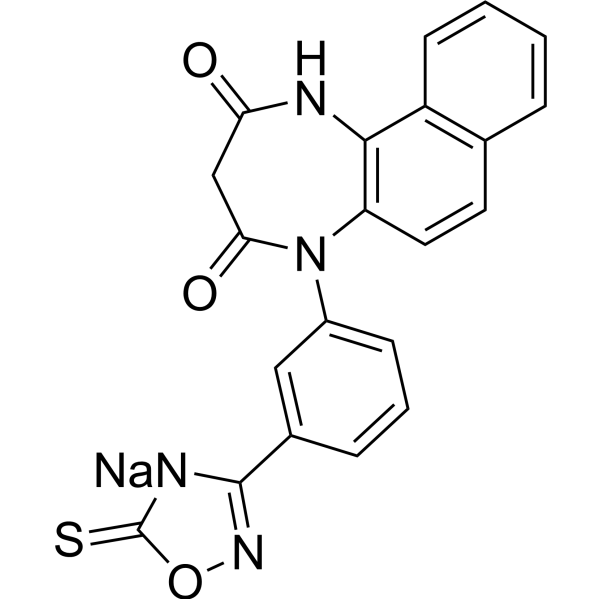 0 ImagesNP-1815-PX sodium is an orally active dual inhibitor of P2X4 and prostaglandin TP receptors, with an IC50 of 0.26 μM against human P2X4 receptors. NP-1815-PX sodium specifically inhibits ATP-mediated prostaglandin production, TP receptor-induced calcium elevation, and the canonical/non-canonical NLRP3 inflammasome signaling pathway. NP-1815-PX sodium selectively blocks smooth muscle contractions induced by ATP, U46619 (HY-108566) and prostaglandin F2α. NP-1815-PX sodium not only produces anti-allodynic effects in vivo, but also significantly alleviates symptoms of DNBS (HY-W324435)-induced colitis (such as weight loss and tissue damage). NP-1815-PX sodium exerts anti-inflammatory effects by downregulating IL-1β levels and Caspase-1 activity. NP-1815-PX sodium is used in studies related to asthma and inflammatory bowel disease (colitis).
-
Prostaglandin J2
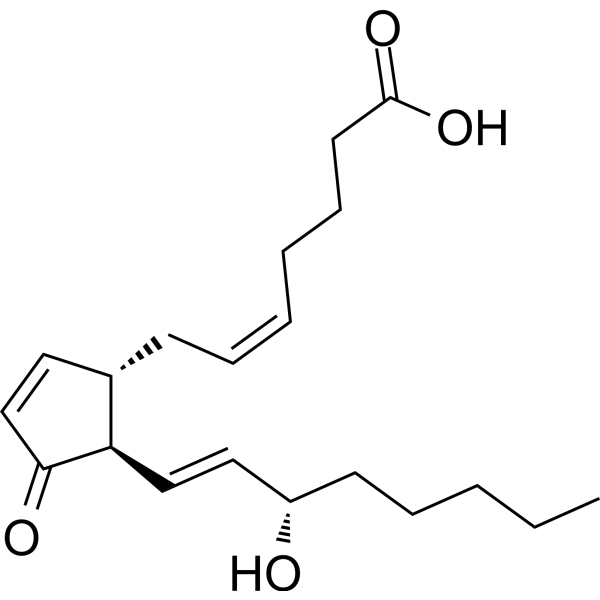 0 ImagesSynonyms: PGJ2Prostaglandin J2 (PGJ2), an endogenous metabolite of Prostaglandin D2 (PGD2; HY-101988), is a potent PGD2 receptor (DP) agonist with Kis of 0.9 nM and 6.6 nM for hDP and hCRTH2, respectively. Prostaglandin J2 stimulates intracellular cyclic AMP production with an EC50 value of 1.2 nM. Prostaglandin J2 induces oxidative stress and neuronal apoptosis. Prostaglandin J2 induces the accumulation/aggregation of ubiquitinated (Ub) proteins. Prostaglandin J2 is highly neurotoxic and potentially contributes to many neurodegenerative conditions, including Alzheimer's (AD) and Parkinson's diseases (PD).
-
Seratrodast
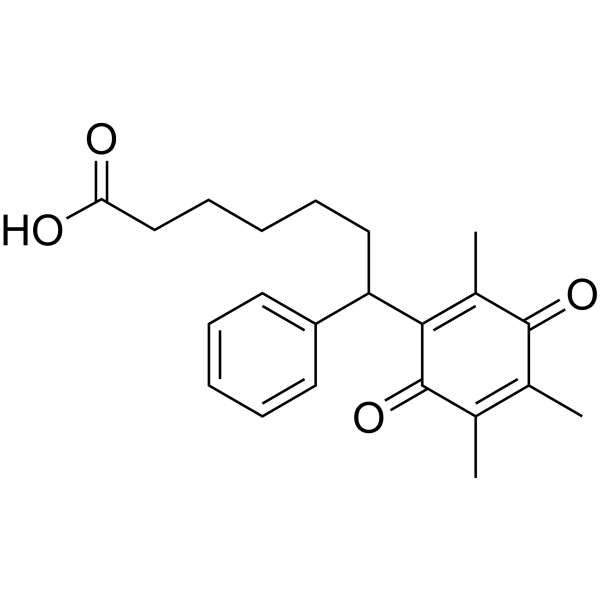 0 ImagesSynonyms: AA 2414Seratrodast (AA 2414), an orally active antiasthmatic agent, is a thromboxane A2 receptor (TP) antagonist and ferroptosis inhibitor. Seratrodast reduces lipid ROS production, modulates the systemic xc-/GSH/GPX4 axis, and inhibits JNK phosphorylation and p53 expression. Seratrodast exhibits anti-asthmatic and anti-epileptic activity.
-
Ramatroban
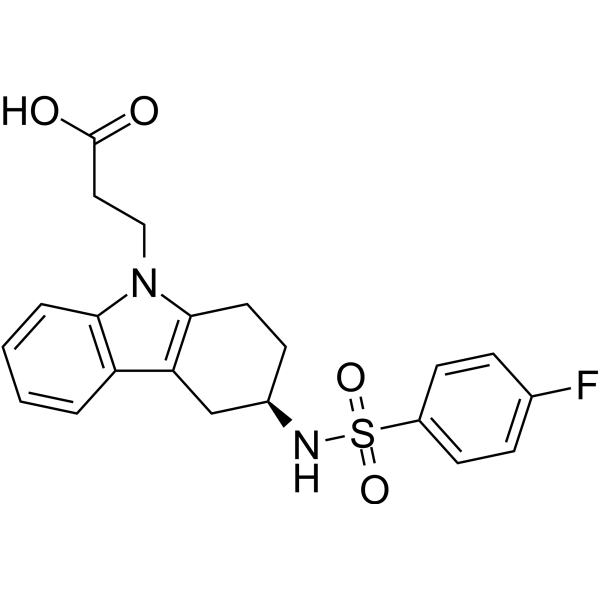 0 ImagesSynonyms: BAY u3405Ramatroban is a selective thromboxane A2 (TxA2, IC50=14 nM) antagonist, which also antagonizes CRTH2 (IC50=113 nM) by inhibiting PGD2 binding.
-
Ozagrel
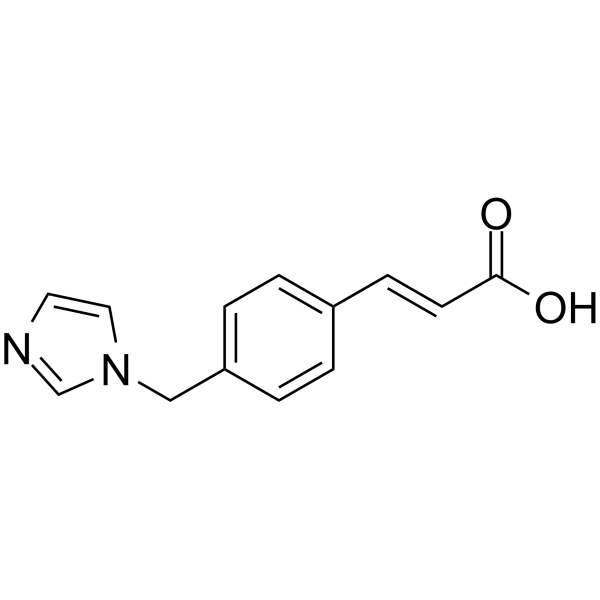 0 ImagesSynonyms: OKY-046Ozagrel (OKY-046) is a high selective and orally active thromboxane A2 (TXA2) synthase inhibitor with an IC50 of 11 nM. Ozagrel exerts anti-platelet aggregation, vasodilation and anti-inflammatory effects by inhibiting the production of TXA2 and increasing the production of prostacyclin (PGI2). Ozagrel can be used for the study of ischemic stroke, asthma and thromboembolic diseases.
-
Treprostinil sodium
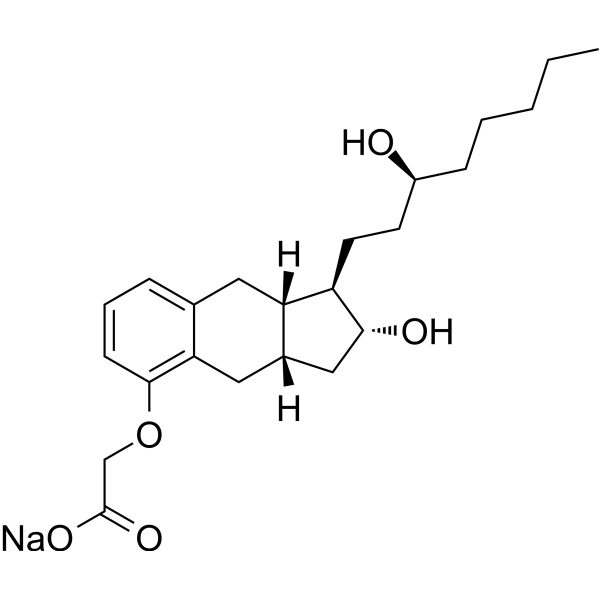 0 ImagesSynonyms: UT-15 sodiumTreprostinil (UT-15) sodium is a potent DP1 and EP2 agonist with EC50 values of 0.6±0.1 and 6.2±1.2 nM, respectively.
-
NTP42
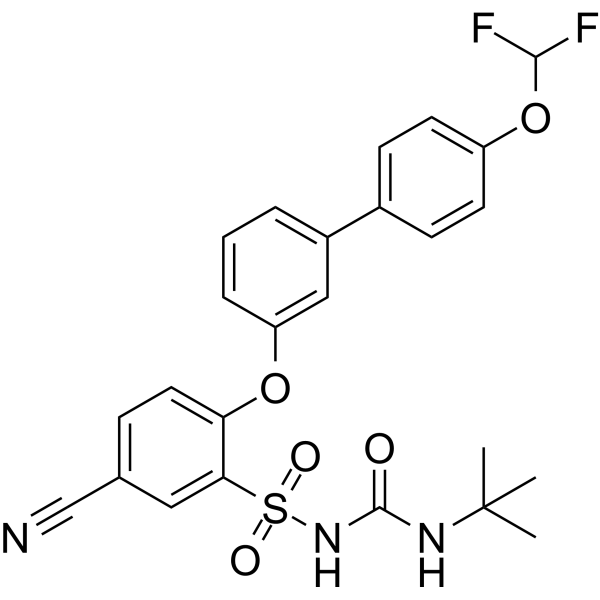 0 ImagesNTP42 is a thromboxane A2 (TXA2) receptor antagonist with an IC50 of 3.278 nM for antagonizing T prostanoid receptor (TP)- mediated [Ca2+] mobilization following stimulation of cells with the alternative TP agonist U46619. NTP42 can be used for the treatment of pulmonary arterial hypertension (PAH).
-
Ozagrel sodium
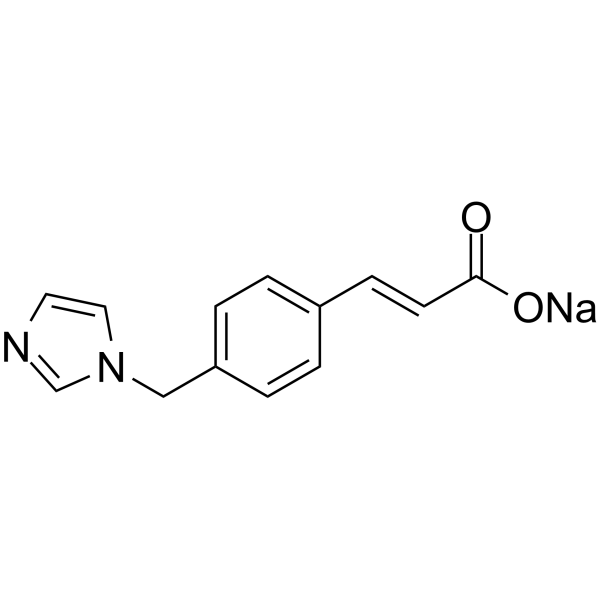 0 ImagesSynonyms: OKY-046 sodiumOzagrel sodium (OKY-046 sodium) is a high selective and orally active thromboxane A2 (TXA2) synthase inhibitor with an IC50 of 11 nM. Ozagrel sodium exerts anti-platelet aggregation, vasodilation and anti-inflammatory effects by inhibiting the production of TXA2 and increasing the production of prostacyclin (PGI2). Ozagrel sodium can be used for the study of ischemic stroke, asthma and thromboembolic diseases.
-
L 888607
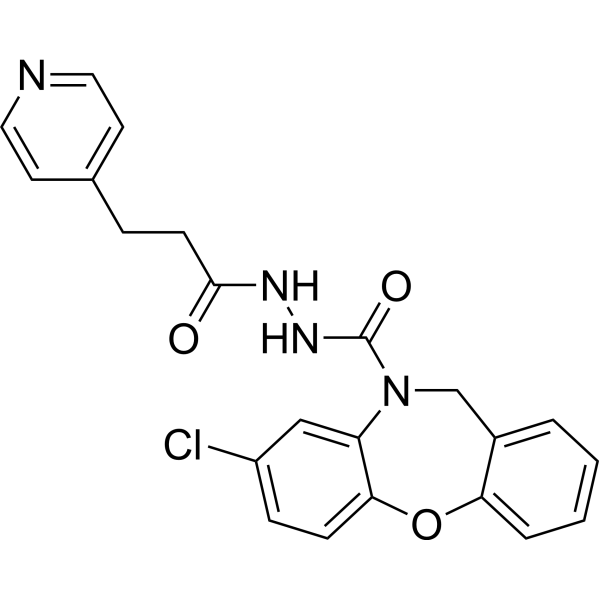
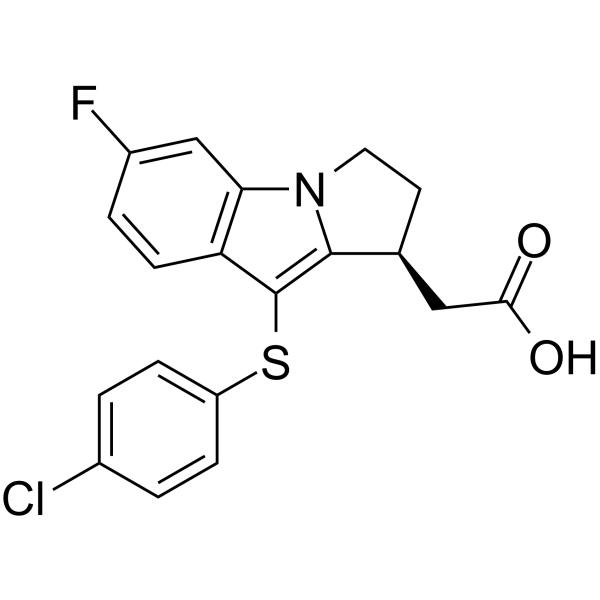 0 ImagesL 888607 is a potent, selective, stable and orally active CRTH2 agonist. L 888607 has high affinity for the human CRTH2 receptor with a Ki value of 4 nM. L 888607 can be used for the research of several physiological events and metabolite.
-
Trapidil
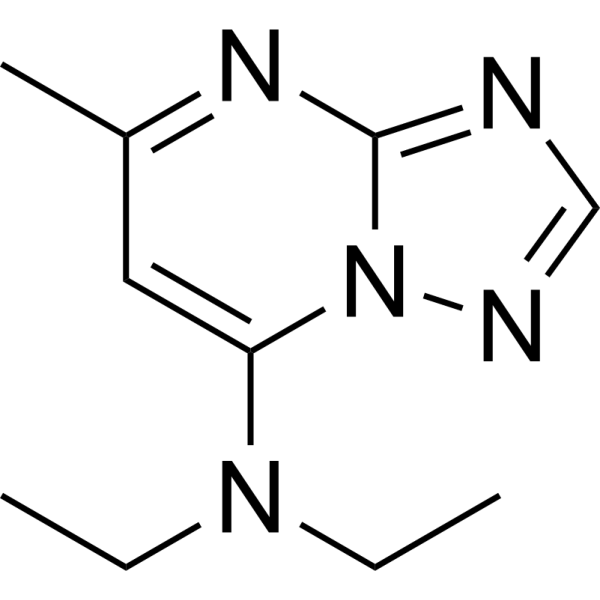 0 ImagesSynonyms: AR-12008Trapidil (AR-12008) is an orally active vasodilator and antiplatelet agent. Trapidil antagonizes platelet-derived growth factor (PDGF), inhibits phosphodiesterase, thromboxane A2 synthesis and pro-inflammatory cytokine production. Trapidil promotes prostacyclin biosynthesis, reduces lipid peroxidation, regulates nitric oxide metabolism, and inhibits cell proliferation and migration. Trapidil exerts tissue-protective effects, regulates bone turnover, and inhibits pyroptosis via the GPX3/Nrf2 pathway. Trapidil is applicable to research related to renal ischemia-reperfusion injury, chronic stable angina, restenosis, meningioma, diabetic cardiomyopathy and peripheral nerve crush injury.
-
L 888607 Racemate
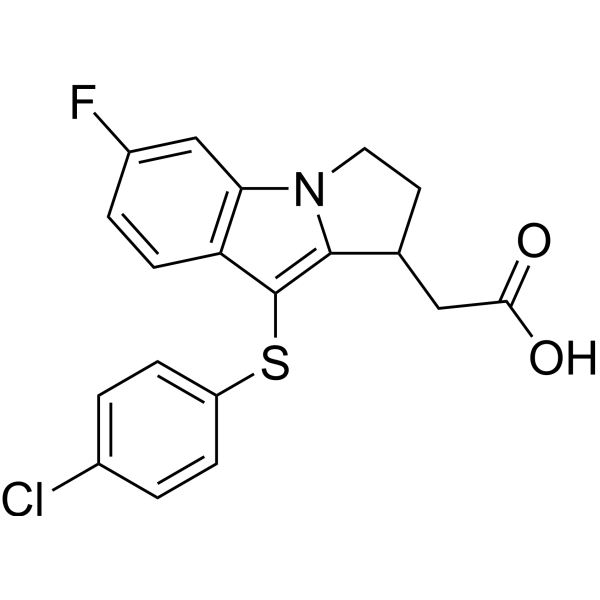 0 ImagesL 888607 Racemate is a selective prostaglandin D2 receptor subtype 1 (DP1) antagonist, with Kis of 132 nM and 17 nM for DP1 and thromboxane A2 receptor (TP), respectively.



